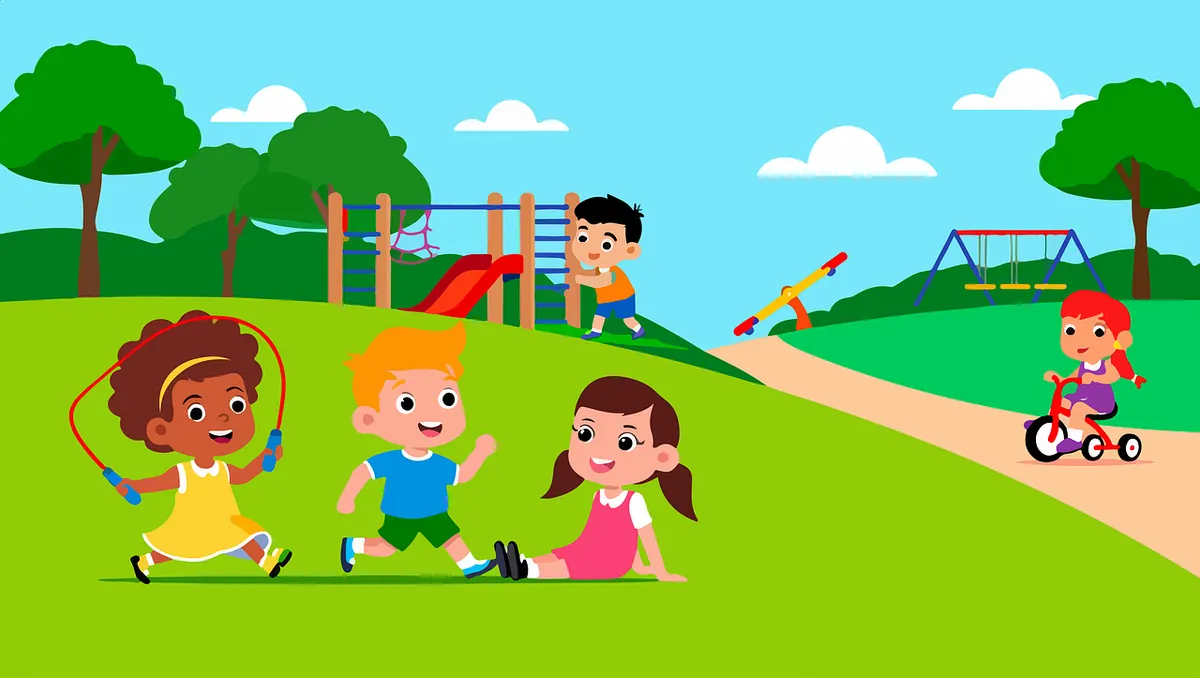
You do not need a nonprofit status, a budget, or a background in special education to start a playgroup. What you need is a date, a room, and three other families. Most Down syndrome playgroups begin with one parent sending a message that says, "I'm bringing my daughter to the library on Saturday at ten. Want to join us?" That is the whole idea. Everything else is logistics, and logistics can be figured out.
A small group is not a failure. It is the best possible beginning. Three families are easier to schedule, easier to host, and easier for children to handle than a crowded room of strangers. Children who need a little time to warm up do better when there are fewer new faces at once.
Before you invite anyone, decide four things and write them down in a single paragraph:
Look at the people you already know: a family from the therapy waiting room, a parent in a regional online group, someone you met at a birthday party, a grandparent raising a grandchild. Start there.
The room matters more than most people expect. You are looking for soft floors, wide doorways, and a place where a crying child is not a problem. Somewhere with a corner that can serve as a quiet break space is worth more than a fancier room without one.
Libraries, community centers, church halls, YMCAs, and park pavilions are common choices. Indoor playgrounds can work during their quiet hours. Ask about a standing time slot, because a consistent room on a consistent day helps children settle in.
That last question is worth asking in writing. Rules vary by venue and by region, so if money or formal membership is involved, get clear answers from the venue and, where it matters, from a professional.
Post where local families actually look: neighborhood Facebook groups, library bulletin boards, early intervention offices, pediatric therapy clinics, hospital follow-up clinics, school district early childhood programs, and local Down syndrome associations. Always ask permission before leaving flyers in a clinic or office.
Keep the invitation plain and specific: who it is for, the date, the address, what to expect, what to bring, and how to ask questions. "Some Saturday in March" never turns into a playgroup. "Saturday, March 8, 10 to 11:30 a.m.," does.
Personal messages beat public posts every time. Send five individual notes rather than one general announcement. Then expect a low response, and do not read silence as rejection. New parents are exhausted, overwhelmed, or simply busy. Follow up once, gently, and leave the door open.
Rhythm matters more than the activity itself. A predictable order of events lets children know what is coming, which reduces stress for everyone. A simple 90-minute session might look like this:
Repeat the same songs every session. Repetition builds recognition, and recognition builds participation. Put out two activities at once so children can move between them instead of waiting their turn. Useful, inexpensive materials: bubbles, scarves, bean bags, a small parachute, board books, shakers, and a mat. Watch what the kids actually gravitate toward and build the next session around that.
Some children will need to move. Some will need quiet. Some use sign language or a communication device. Treat all of it as ordinary. A simple picture schedule showing the order of the session helps everyone, including the adults.
Ask parents what helps their child, either in the invitation or at the first session. Keep the room from getting painfully loud where you can, and skip music that drowns out conversation. Give siblings a small job or let them simply play; they should not be drafted as helpers.
One more thing: this is play, not therapy. Parents can swap notes and recommendations, and that is valuable, but the point of the group is friendship, for the children and for the adults.
Burnout ends more playgroups than low attendance does. Rotate who brings snacks, who leads the song, and who greets new families. Keep a shared calendar and one group chat so nobody has to remember everything.
Do not cancel because only two families RSVP. Two families is still a playgroup, and the families who come will remember that you showed up. After about three months, revisit the day and time — naps shift, schedules change, and a small adjustment can bring back people who dropped off.
Week one: message three parents and propose a date. Week two: visit two venues, ask your questions, and book one. Week three: send the invitation, pack a mat and a bottle of bubbles, and be there. If one other family walks in, you have started something real. The group will grow from there, mostly by word of mouth, one parent telling another that there is finally somewhere to go on Saturday morning.
Photo: FNur99 / Pixabay
A sibling's honest account of growing up beside a brother with Down syndrome — the delayed love, the real work of...

One family's first year with Down syndrome: the early intervention team that came to the living room, the...

Day camp, overnight camp, therapeutic programs, and inclusion support each suit different kids. Here's how to...

Celebrating little ones with Down syndrome.